
How to Handle Employment Gaps on Your Cv
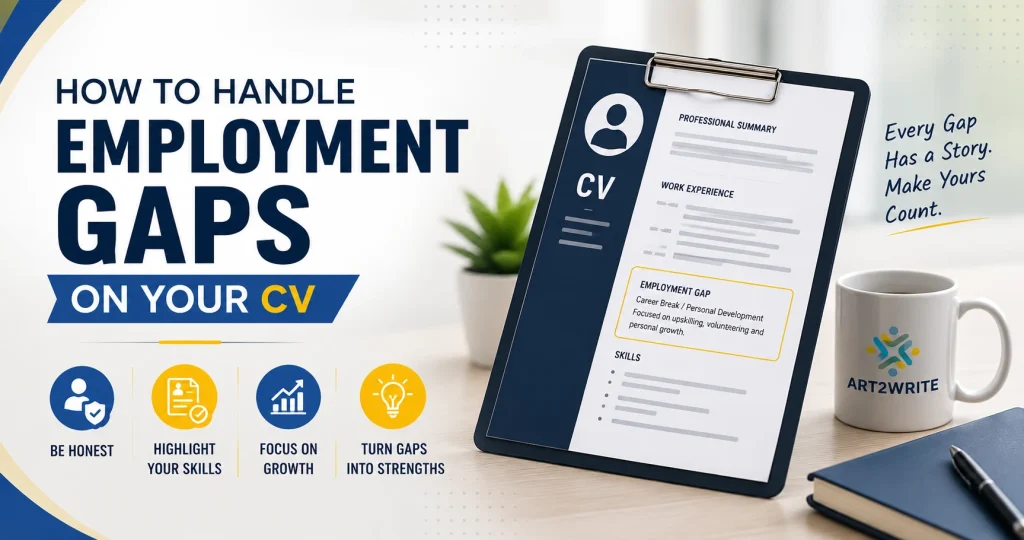
Employment gaps can be a source of anxiety for many Job Seekers, especially when crafting a CV. Whether due to personal reasons, caregiving responsibilities, or pursuing further education, these gaps can raise questions for employers. The key is to address them confidently and honestly, turning potential red flags into opportunities to showcase growth and adaptability.
Here’s how you can handle employment gaps on your CV and ensure it doesn’t hold you back from securing your next job.
1. Be Honest and Upfront
Trying to hide employment gaps is one of the biggest mistakes job seekers make. Instead, it’s better to address them directly. If an employer spots an unexplained gap, it may lead to assumptions about why you were out of work. Being transparent from the start helps build trust.
– Short Gaps (Less than 6 months): If the gap is short and doesn’t significantly impact your work history, it may not need to be addressed in detail on your CV.
– Longer Gaps: If the gap is longer, it’s important to explain it briefly and focus on what you were doing during that time. Were you developing new skills, volunteering, or taking care of personal matters? Be concise but clear.
Tip: Use your cover letter to briefly explain the gap, especially if it’s related to something positive like travel or further education.
2. Reformat Your CV
If your CV is structured in a way that highlights gaps, consider reformatting it. Here are a few approaches:
– Functional CV: Instead of listing your work history in chronological order, consider a functional CV that focuses on your skills and achievements. This allows you to shift the focus away from the timeline and toward your qualifications.
– Project-Based CV: If you’ve done freelance, contract, or consulting work during your gap, highlight these projects. Grouping them together under a single category like “Freelance Projects” or “Consulting Work” shows that you remained active in your field.
Tip: Combine formats if needed. For example, you can use a functional CV but still include a brief work history section.
3. Highlight What You Did During the Gap
Even if you weren’t in formal employment, there are often valuable experiences you can draw on during employment gaps. Employers appreciate candidates who demonstrate continuous learning, even outside a traditional job.
– Volunteering: If you volunteered during your time off, include it. Volunteering shows initiative and community involvement and can often involve skills that transfer to the workplace.
– Skills Development: Did you take any courses or learn new skills during the gap? Whether it’s online certifications, learning a language, or gaining technical skills, this shows that you remained proactive in improving yourself.
Tip: Highlight relevant skills and experiences gained during the gap, focusing on how they make you a better candidate for the role.
4. Be Positive and Confident
It’s natural to feel insecure about gaps in your employment, but how you present them makes all the difference. Frame the gap as a time for growth, learning, or self-reflection. When you’re confident about your choices, it shows employers that you’ve used the time productively.
– Personal Development: If the gap was due to personal reasons, such as raising a family or health issues, it’s okay to mention that. Focus on how the experience helped you develop resilience, problem-solving, or time management skills.
Tip: Avoid going into too much personal detail, but emphasize any growth or positive outcomes that came from the experience.
5. Be Prepared to Discuss It
Employers may ask about employment gaps during an interview. Be ready to discuss them openly, but keep your explanation brief and focused on the future.
– Prepare Your Answer: Have a clear, concise explanation for your employment gap that focuses on how the experience has prepared you for the role you’re applying for. Avoid dwelling on negative experiences or giving lengthy explanations.
– Turn It into a Strength: If you used the time to upskill, gain new experiences, or improve your work-life balance, emphasize that. Show that the gap has made you more prepared and focused on your career goals.
Tip: Practice your response to ensure it sounds confident and positive, without over-explaining or sounding defensive.
How Art2Write Can Help
If you’re struggling with how to present employment gaps on your CV, Art2Write can help you craft a professional resume that focuses on your strengths, skills, and achievements. Their team of Expert CV Writers understands how to reformat and reposition your work history, ensuring gaps are addressed in a positive light.
With Art2Write’s personalized approach, they can help you create a CV that tells your story confidently, ensuring employment gaps don’t stand in the way of your career goals.
Frequently Asked Questions (FAQs)
1. Should I include employment gaps on my CV?
Yes, it is always better to be honest about employment gaps and provide a brief explanation when necessary.
2. How do I explain a long employment gap on my CV?
Focus on productive activities during the gap, such as education, volunteering, freelancing, caregiving, or skills development.
3. Can employment gaps affect my chances of getting hired?
Employment gaps do not automatically disqualify candidates. Employers are often more interested in your skills, experience, and how you explain the gap.
4. What CV format works best for candidates with employment gaps?
A functional CV or a hybrid CV format can help emphasize skills and achievements rather than employment dates.
5. Can professional CV writers help address employment gaps?
Yes, professional CV writers can strategically present employment gaps while highlighting your strengths, accomplishments, and career potential.
